

Solrighter
AeroPress Brewing Workshop Recap: Extraction Logic, Practical Brewing, and the Solright DB-1

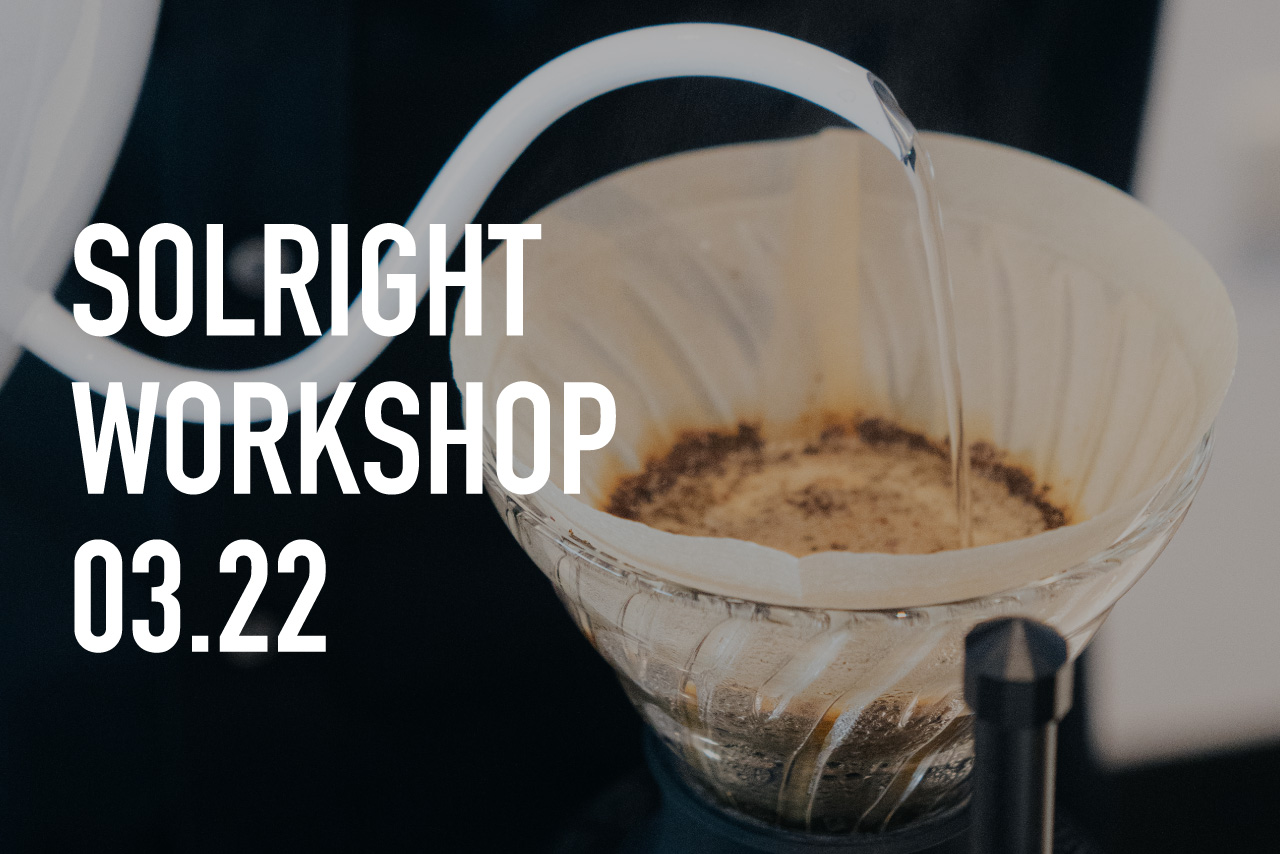
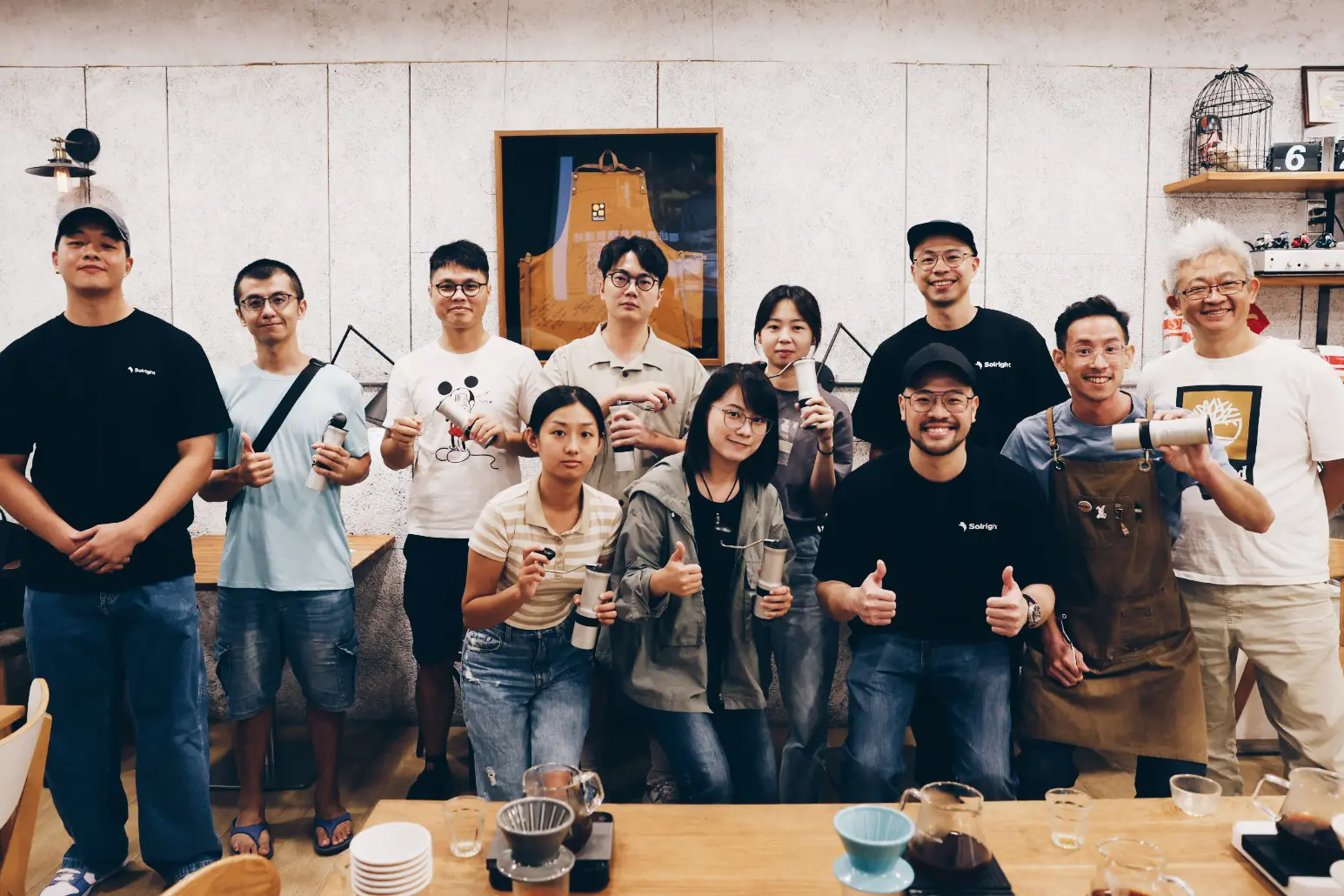
AeroPress is widely recognized in specialty coffee for its flexibility and the way it blends immersion with pressure. This AeroPress brewing workshop, co-hosted by Solright and Ricky Coffee, focused on helping coffee professionals understand extraction logic through hands-on practice—while keeping key variables consistent.
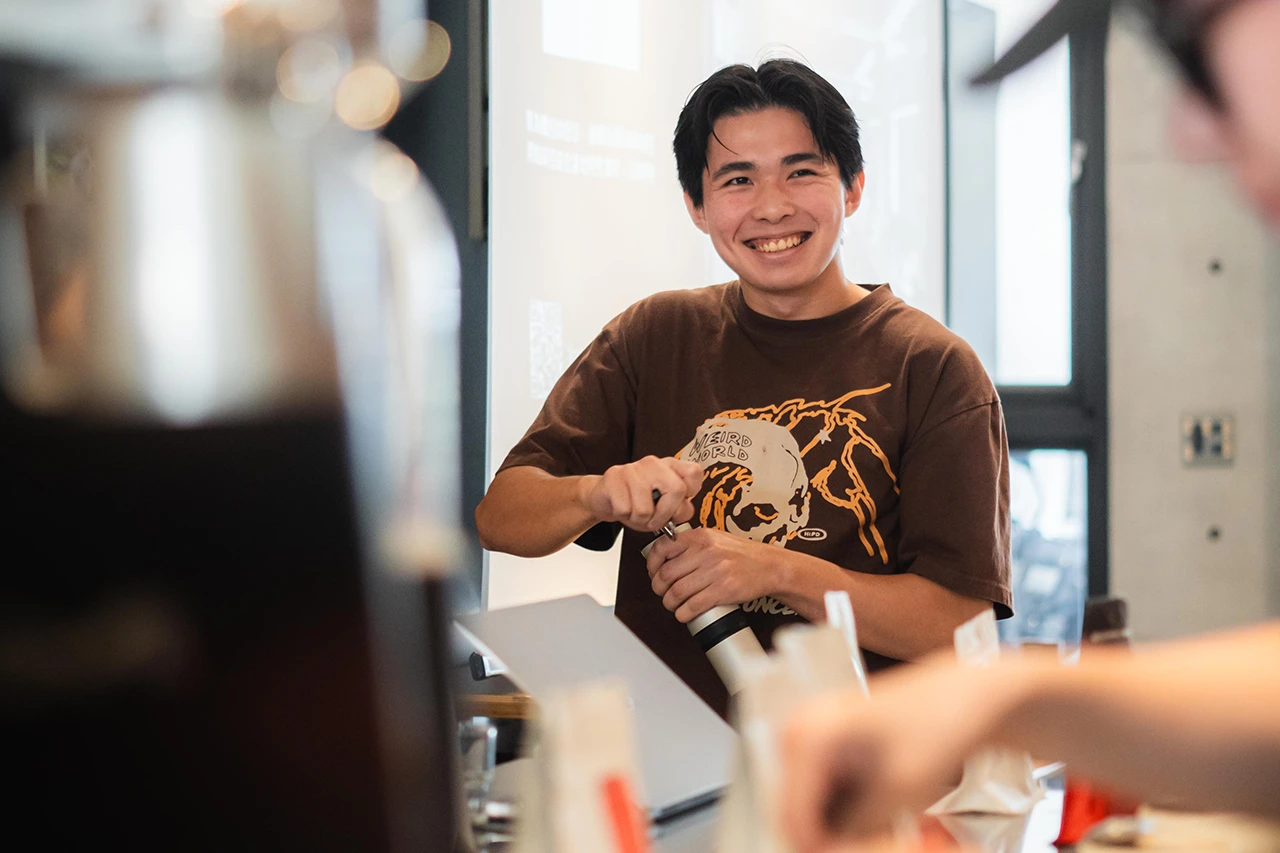
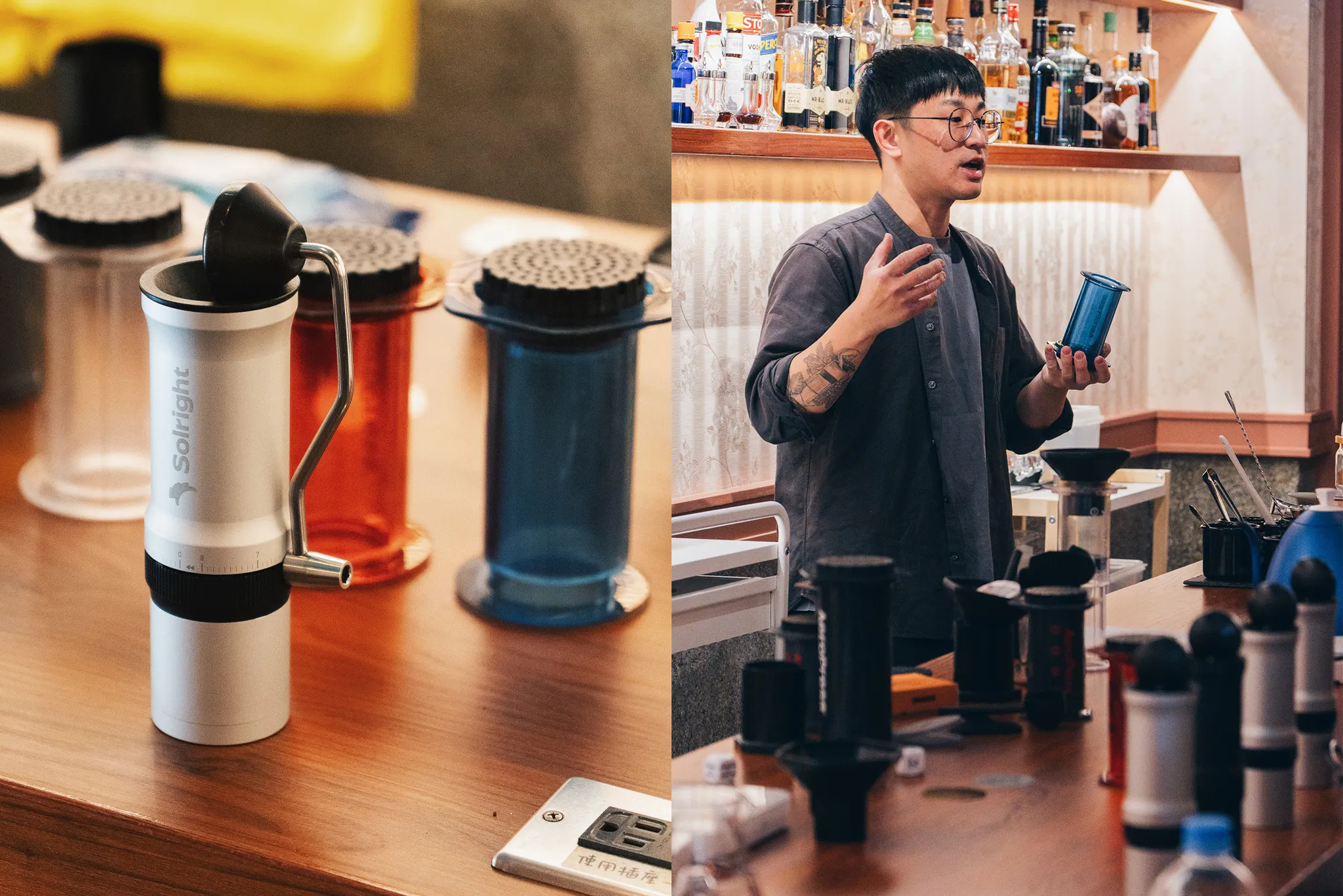
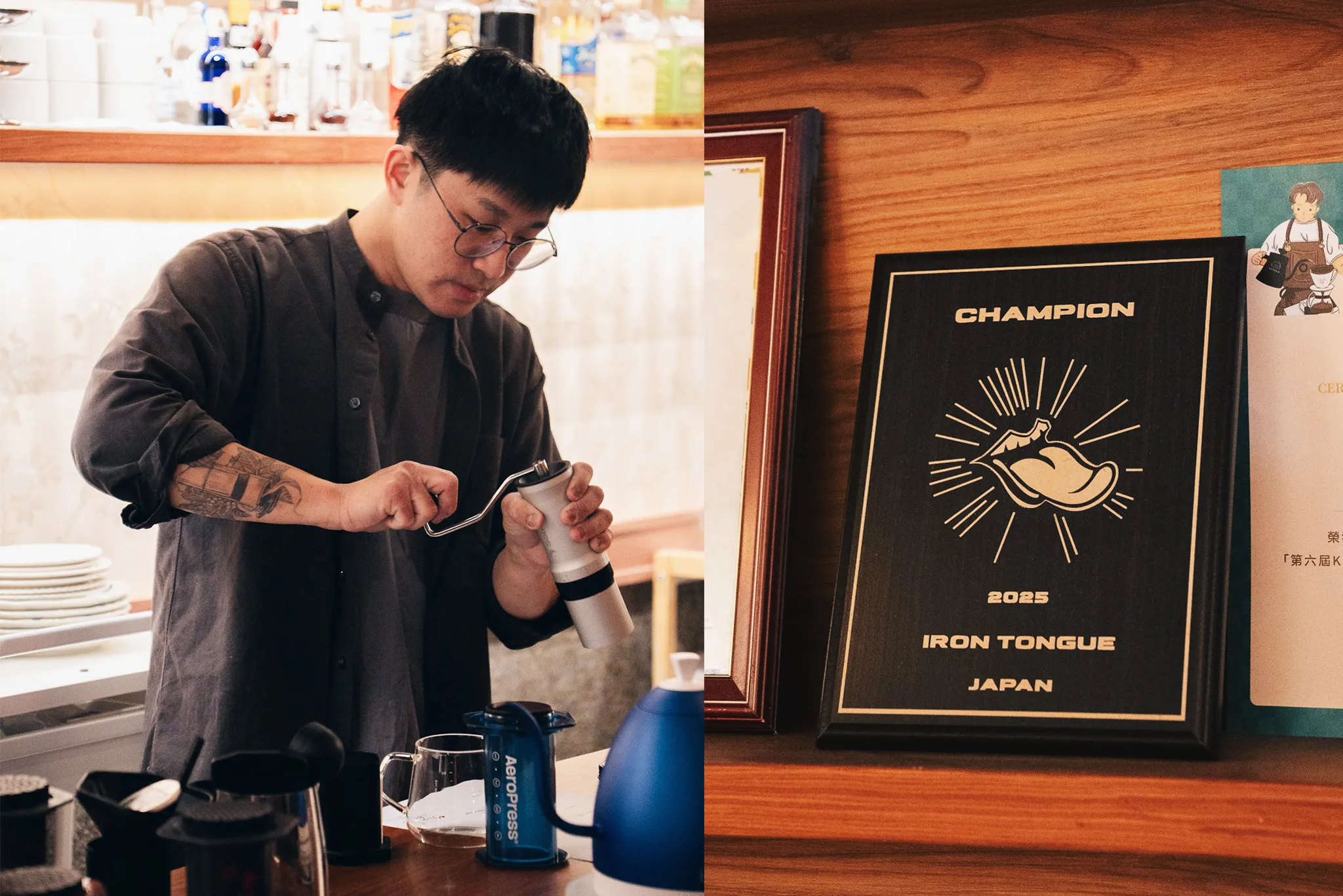
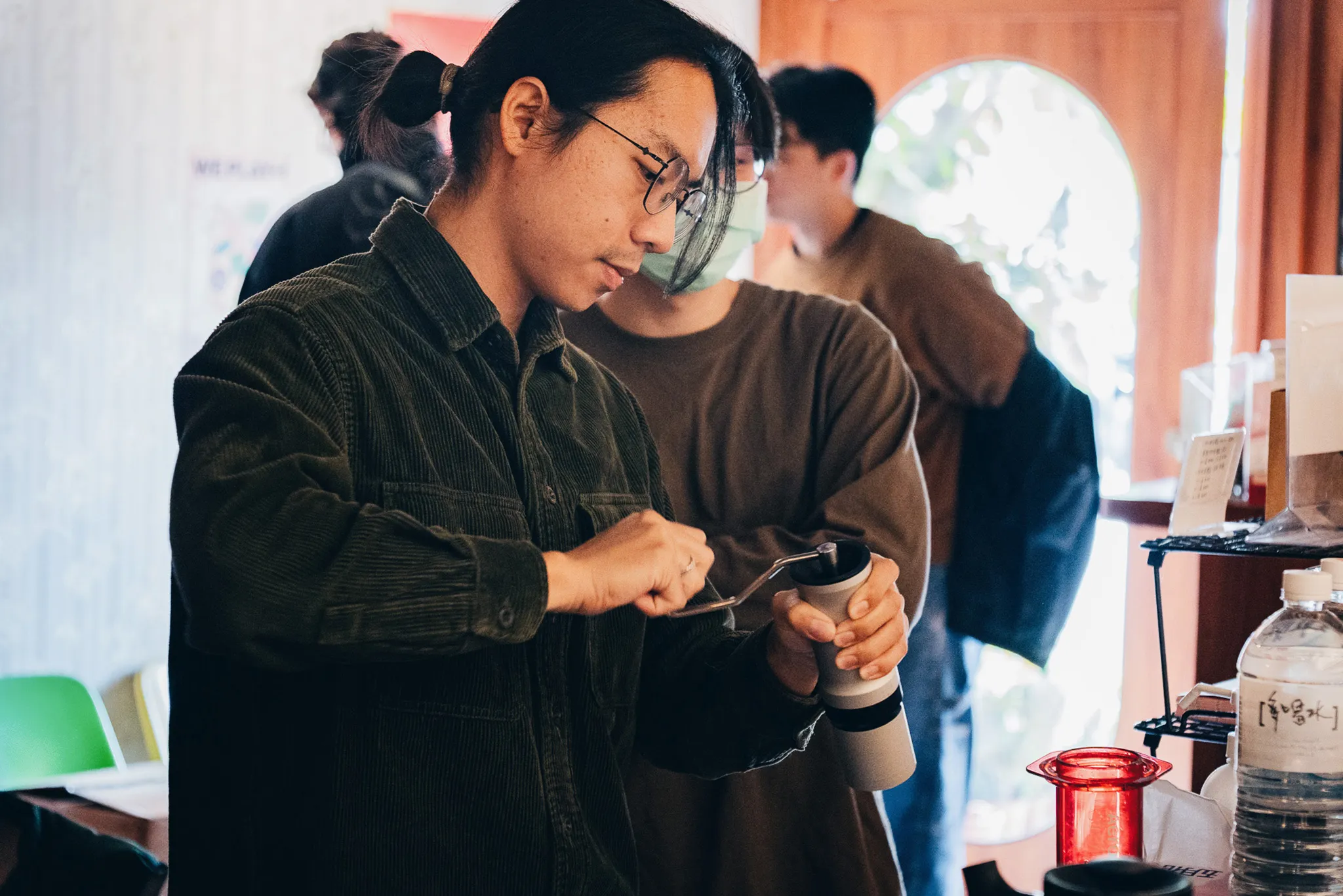
Special thanks to Ricky, founder of Ricky Coffee, for leading the session. Throughout the workshop, all coffee was ground using the Solright DB-1 hand grinder, allowing participants to focus on AeroPress parameters and sensory evaluation with reduced grind-related noise.
Workshop Highlights: AeroPress Brewing with the Solright DB-1 Hand Grinder
For coffee professionals, AeroPress is valuable because it enables fast, controlled experiments with brew ratio, agitation, time, and pressing dynamics. By standardizing the grinding step with the Solright DB-1, participants could better isolate how brewing choices shaped clarity, body, sweetness, and aftertaste.
Why grind consistency matters in AeroPress extraction
AeroPress is highly sensitive to grind variation. Inconsistent particle distribution can amplify uneven extraction, shifting balance and introducing harshness. With consistent grinding, recipe adjustments become more repeatable—making it easier to learn, compare, and refine AeroPress recipes.
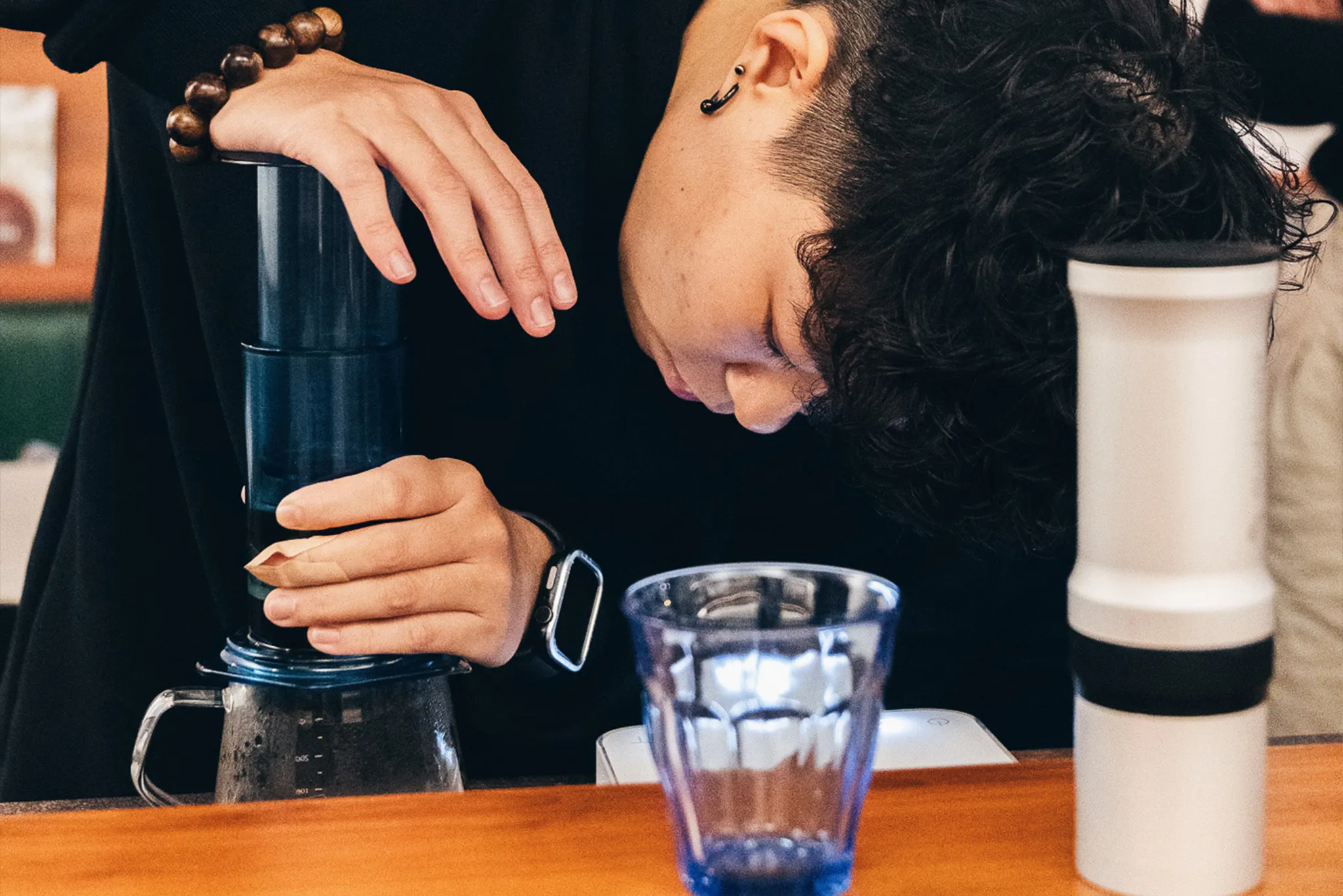
AeroPress Brewing Variables: Filters, Water, and Extraction Controls
AeroPress device overview: structure, workflow, and pressure
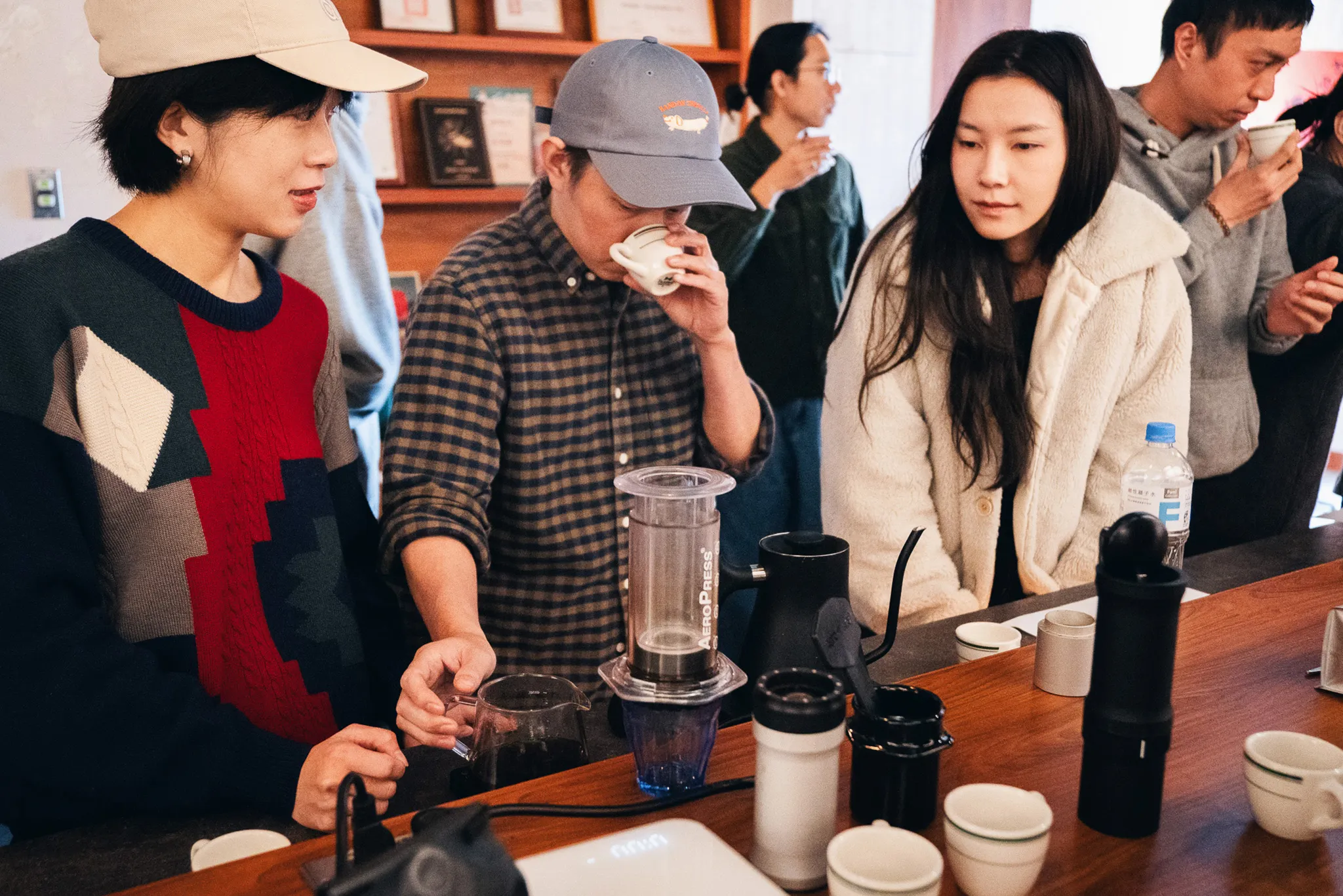
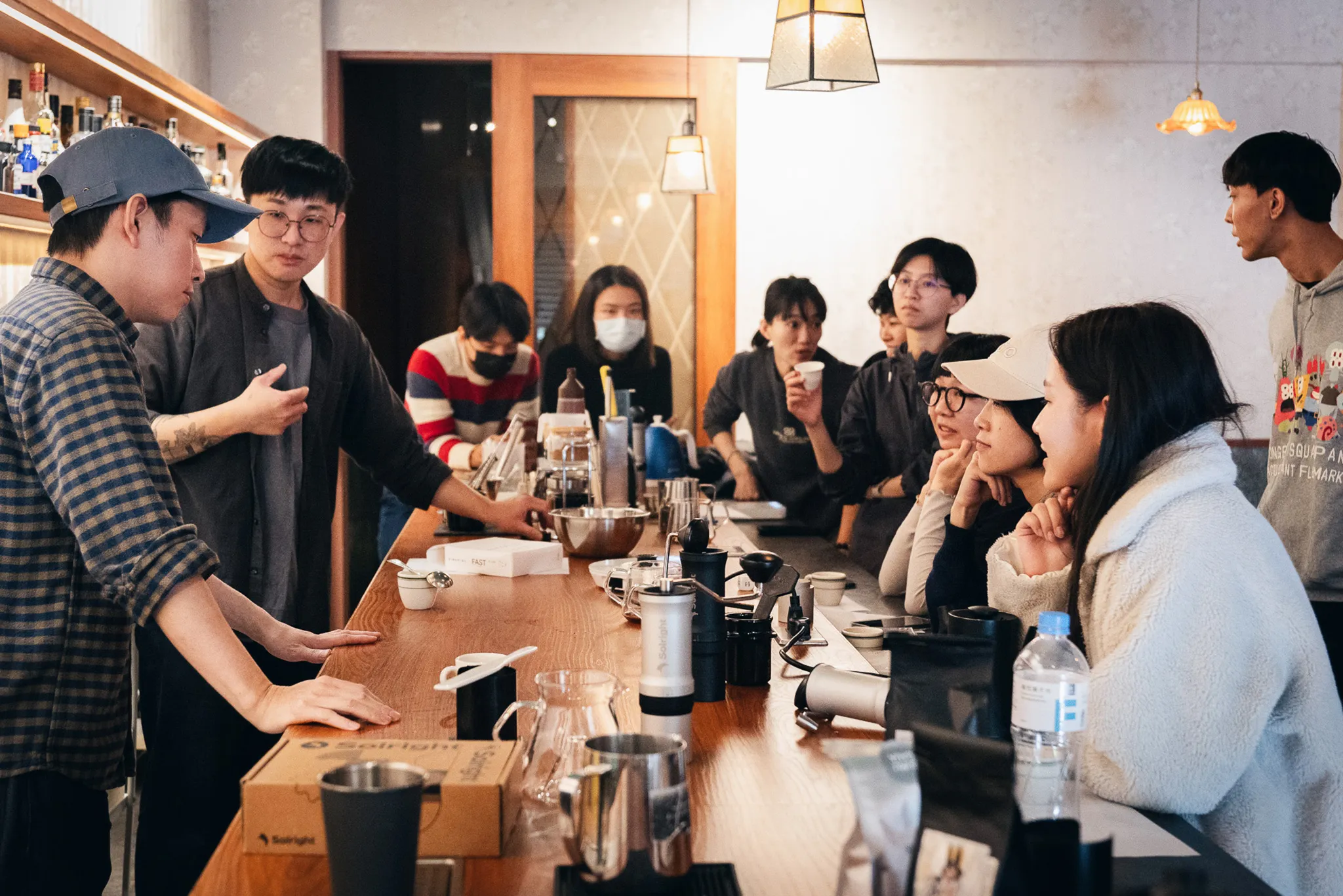
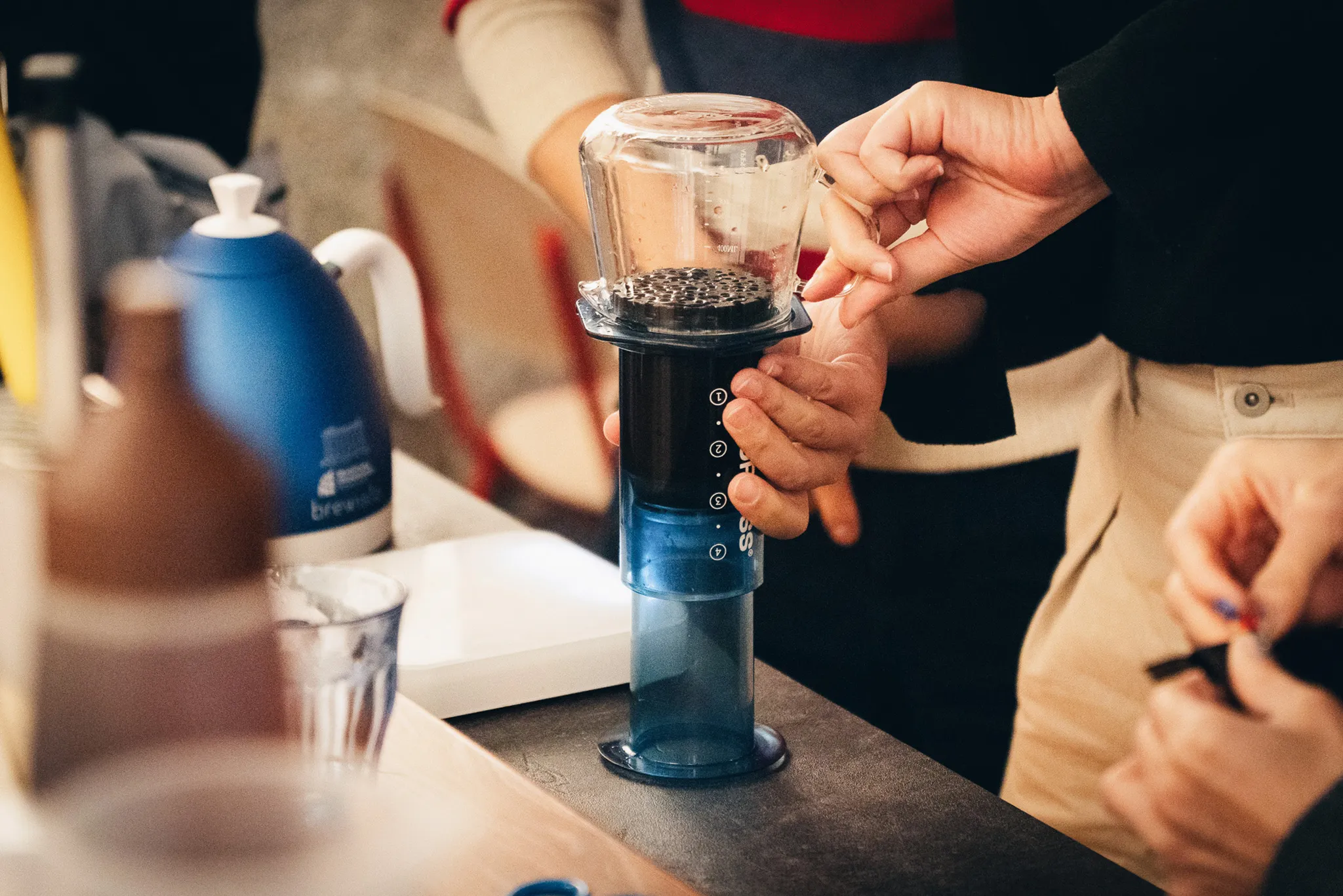
Ricky began with a practical breakdown of AeroPress structure and common workflows (standard vs. inverted), explaining where pressure comes from and how small workflow changes can alter extraction outcomes. The aim was not to memorize recipes, but to build a clear cause-and-effect framework.
Paper vs. metal filters: clarity, body, and cup structure
The session compared AeroPress paper filters and metal filters. Paper typically improves clarity and a clean finish, while metal filters often increase body and preserve more oils. Participants evaluated differences using a cupping-style lens: aroma, sweetness shape, aftertaste, and mouthfeel.
Water and AeroPress brewing: sweetness, cleanliness, and efficiency
Water is a major (and often underestimated) variable. We discussed how water composition can impact extraction efficiency, perceived sweetness, and overall cleanliness—especially important for professionals seeking consistency across locations.
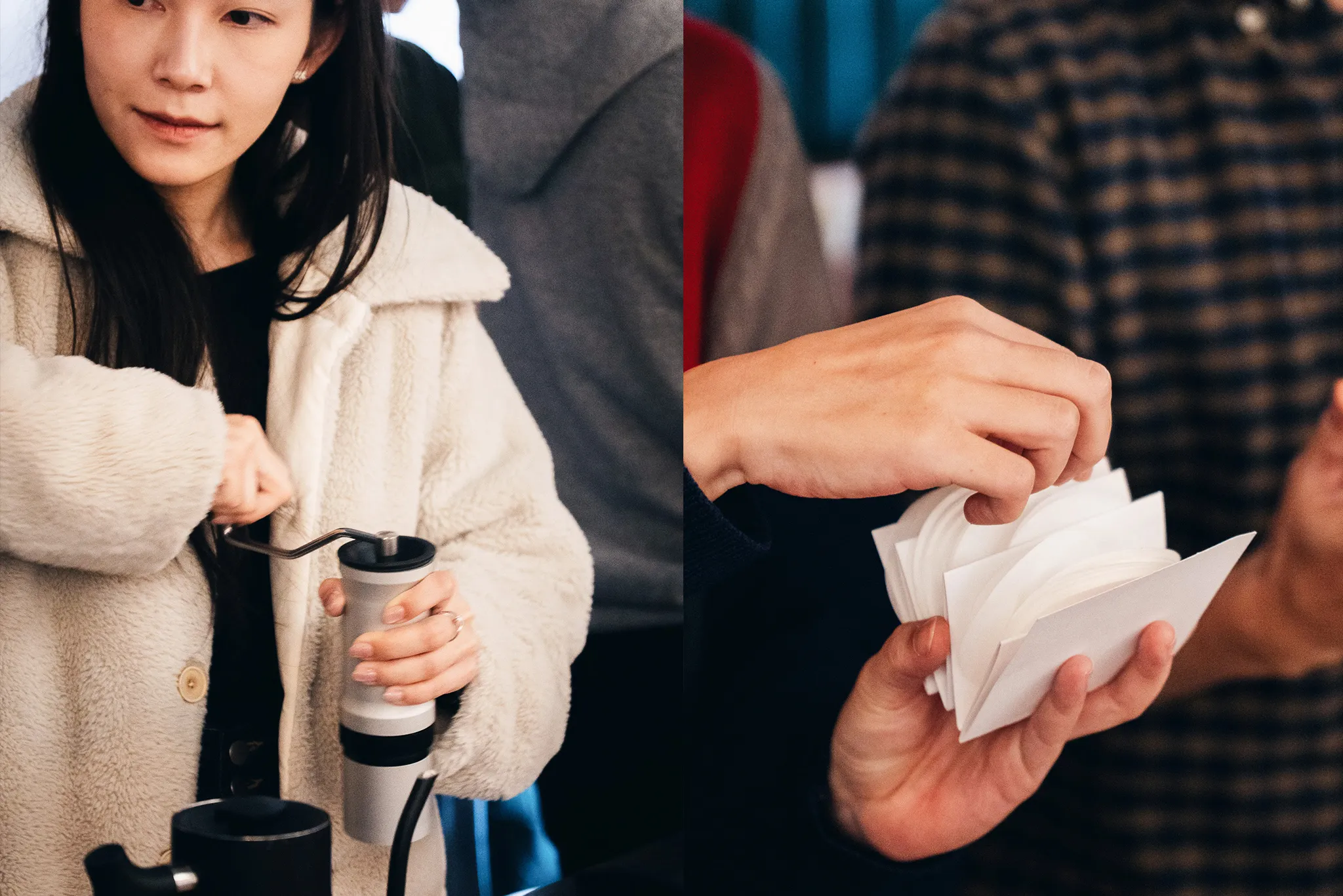
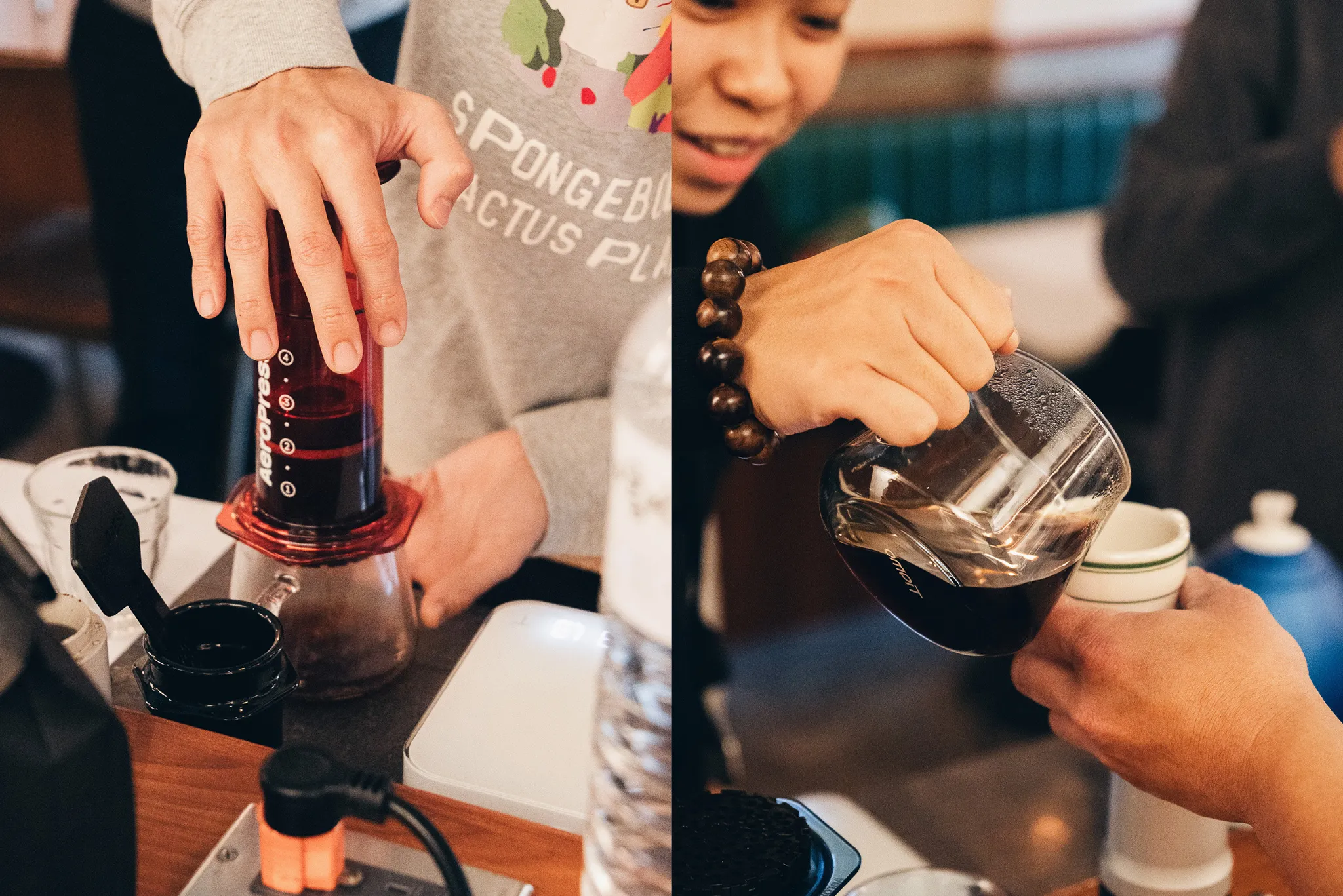
Group Practice: Hands-on AeroPress Brewing for Every Participant
A format built for hands-on time
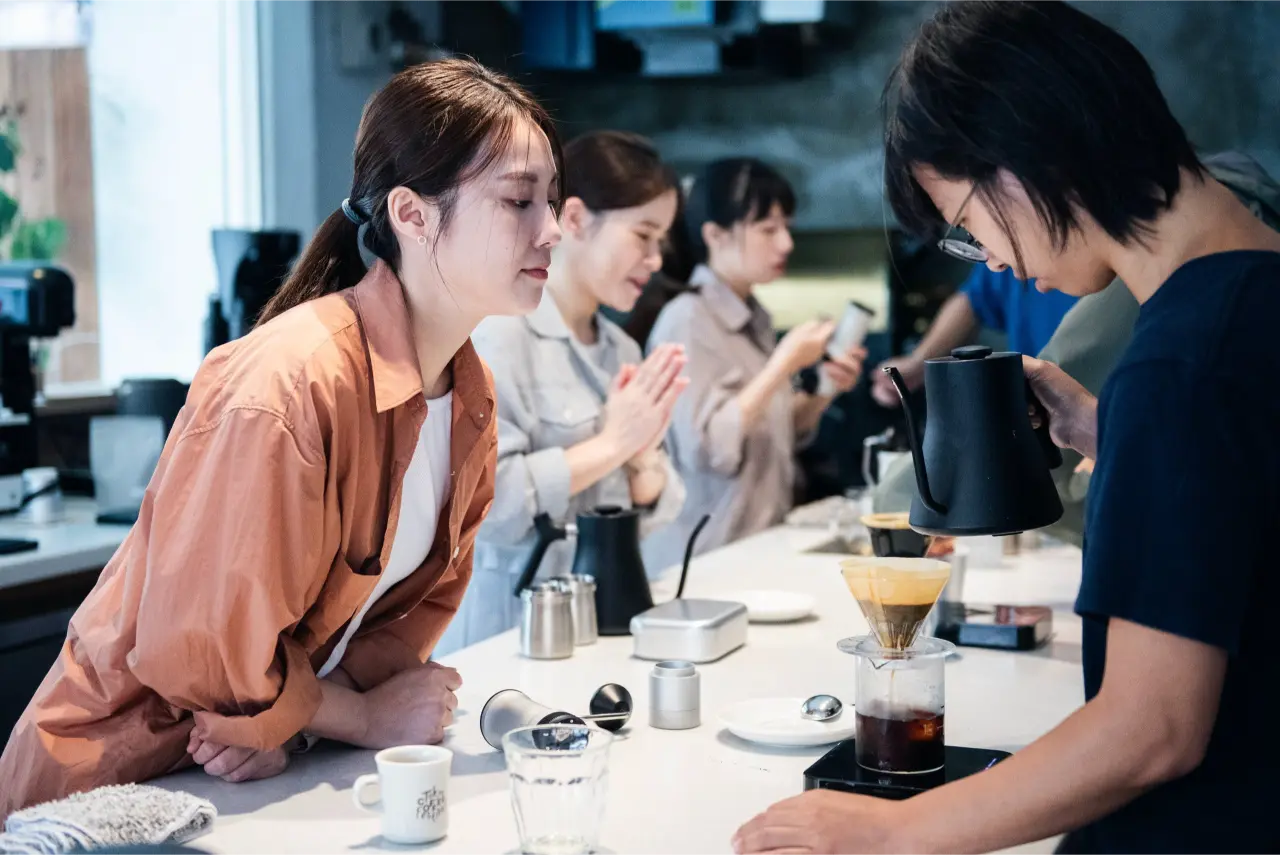
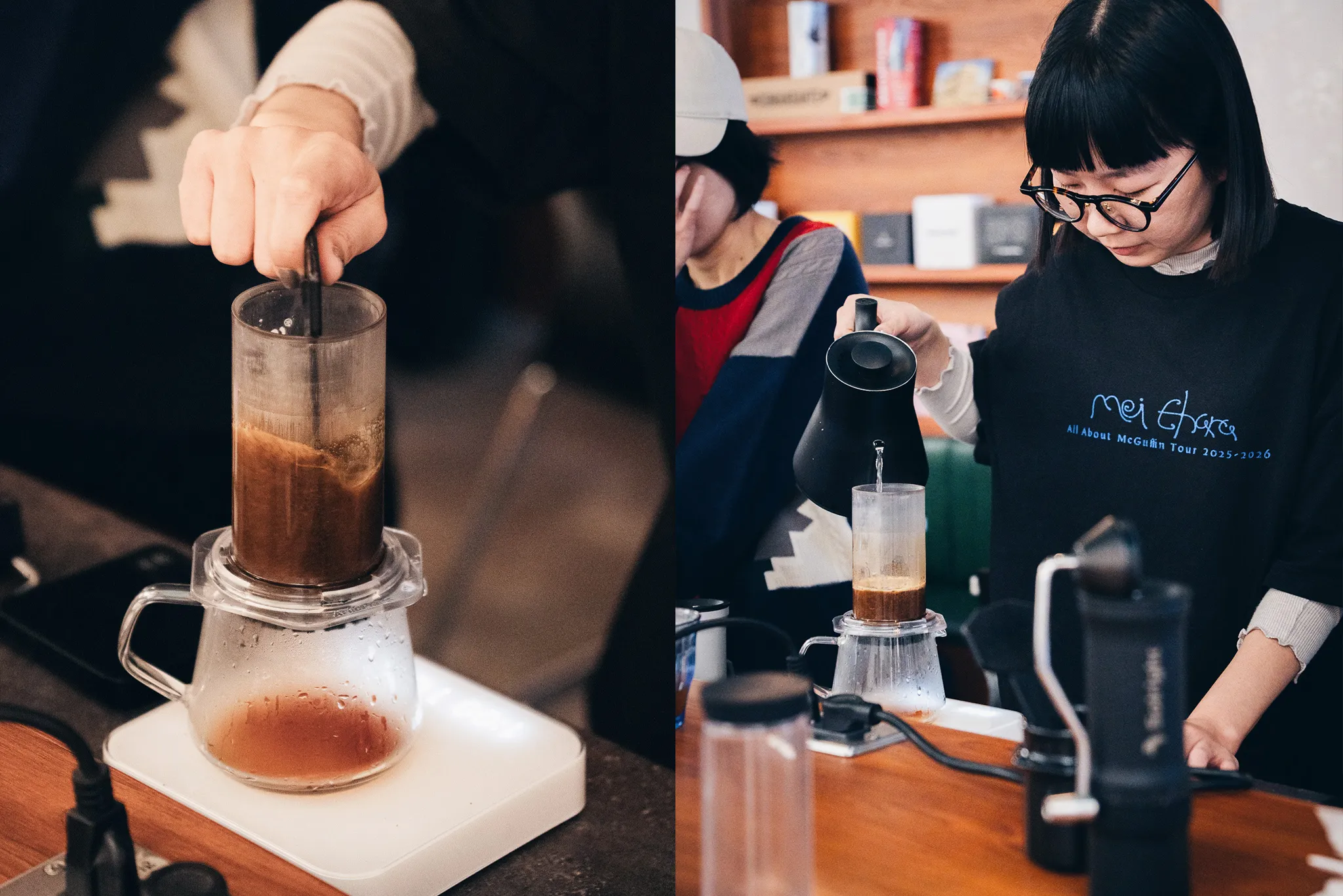
The workshop was conducted in small groups, allowing each participant to take turns handling grinding, pouring, stirring, timing, and pressure control, followed by group discussions during tasting.
For both those new to coffee brewing and more experienced enthusiasts, this hands-on learning approach helps quickly build brewing intuition and a clearer framework for sensory evaluation.
Grind adjustments with the Solright DB-1
Groups adjusted grind size and brew parameters based on target flavor direction (e.g., brighter vs. fuller). With consistent grinding, it was easier to identify whether changes were driven by grind size or by variables such as ratio, agitation, time, or pressing dynamics.
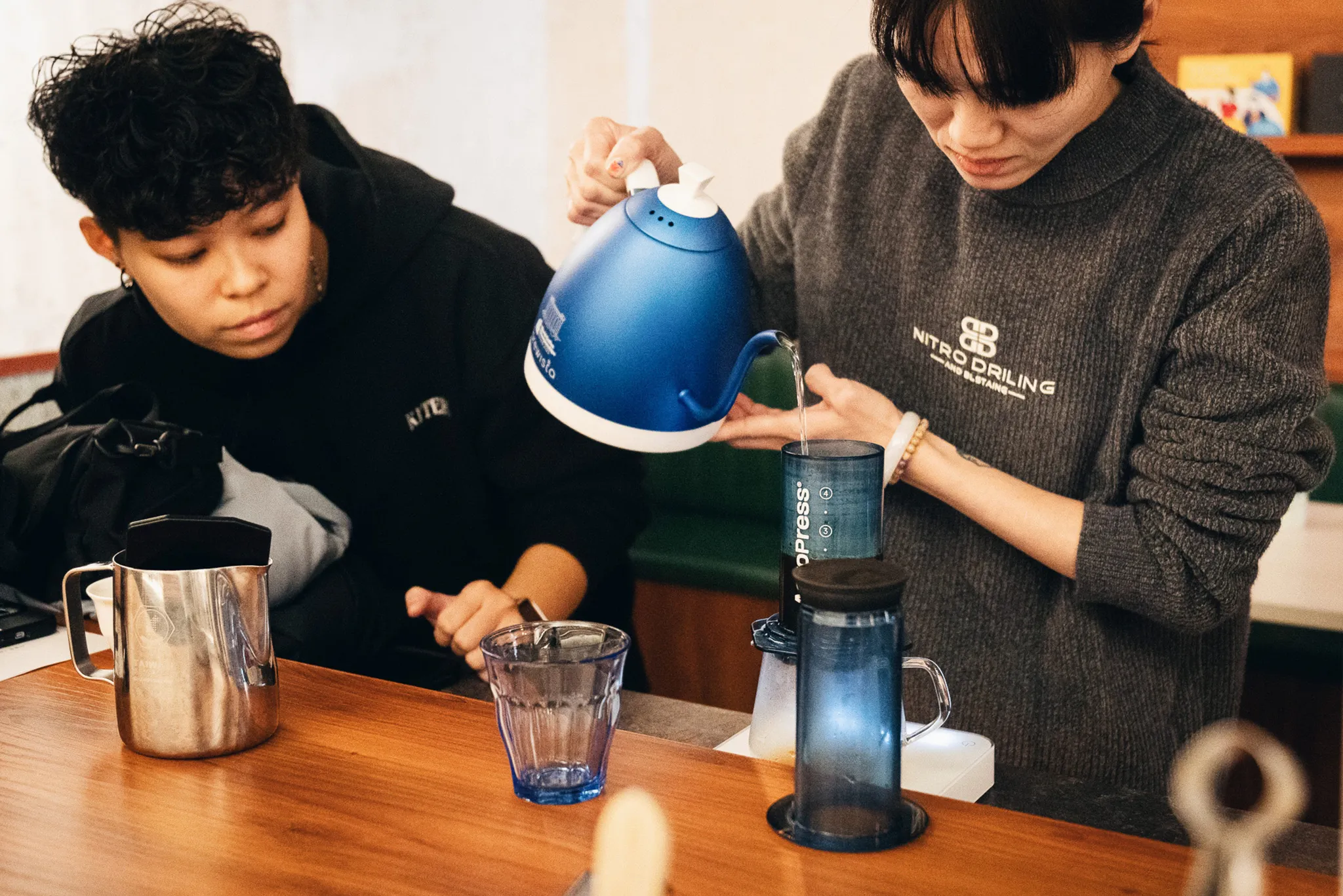
Same-Bean Brewing Challenge: Different AeroPress Recipes, Different Flavor Profiles
One coffee, multiple outcomes
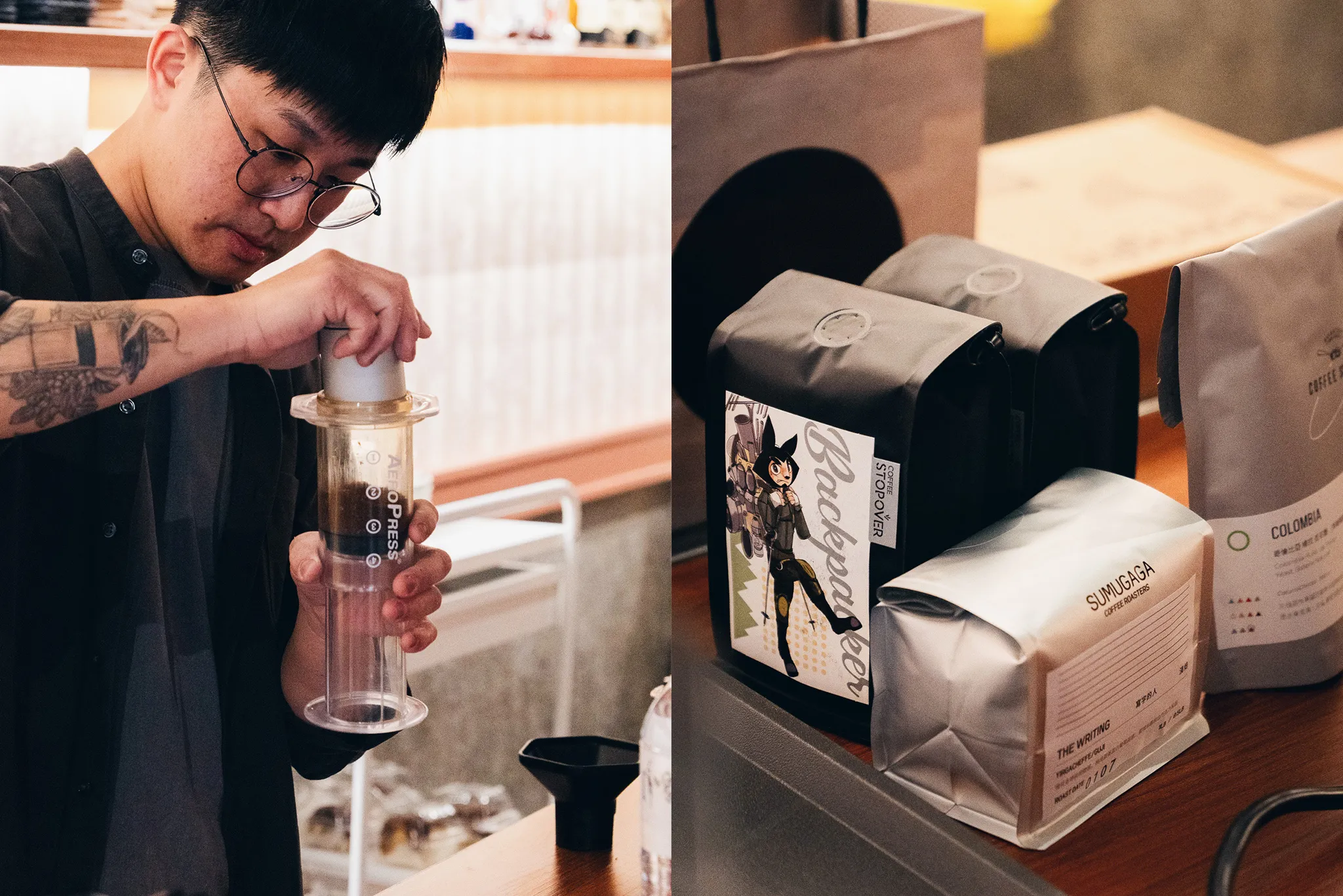
To conclude, each group brewed the same coffee using the same equipment (including the Solright DB-1)—but designed their own AeroPress recipe. The results were compelling: even with the same beans, differences in ratio, time, agitation, and pressing produced noticeably different sweetness, acidity shape, and mouthfeel.
From sensory notes back to brewing decisions
Ricky linked sensory outcomes to parameter choices, helping participants move from trial-and-error toward a structured, repeatable approach to AeroPress recipe development.
Conclusion: A practical, professional AeroPress workshop
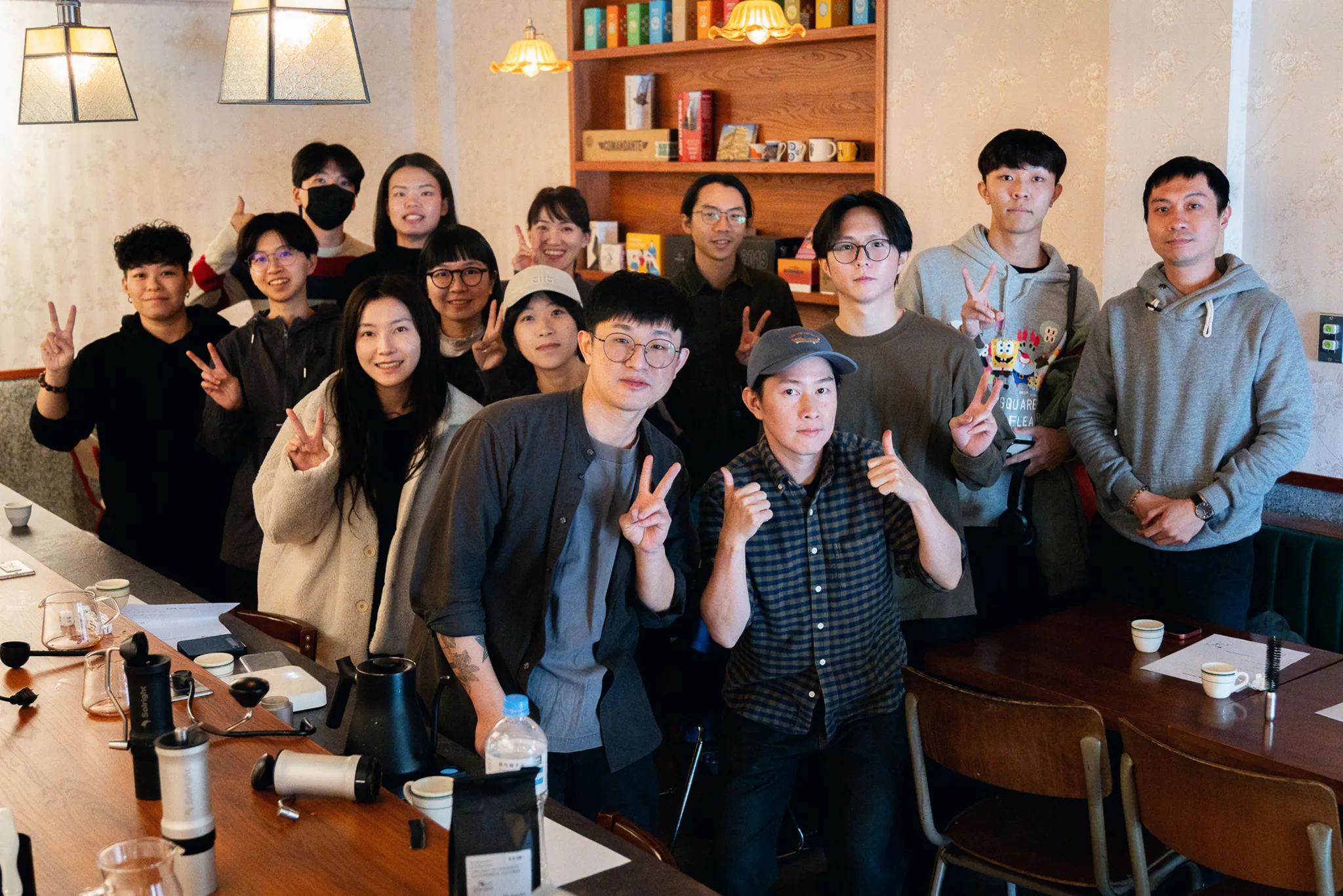
This session combined technical depth with an engaging, hands-on format. Participants left with a clearer understanding of AeroPress extraction and a stronger ability to design recipes intentionally—rather than relying on fixed formulas.
The workshop also reinforced a key principle: stable grinding is the foundation for meaningful brewing adjustments. With consistent grinding, AeroPress becomes an even more powerful tool for professionals focused on repeatability, training, and flavor design—highlighting the practical value of the Solright DB-1 grinder in real-world use.